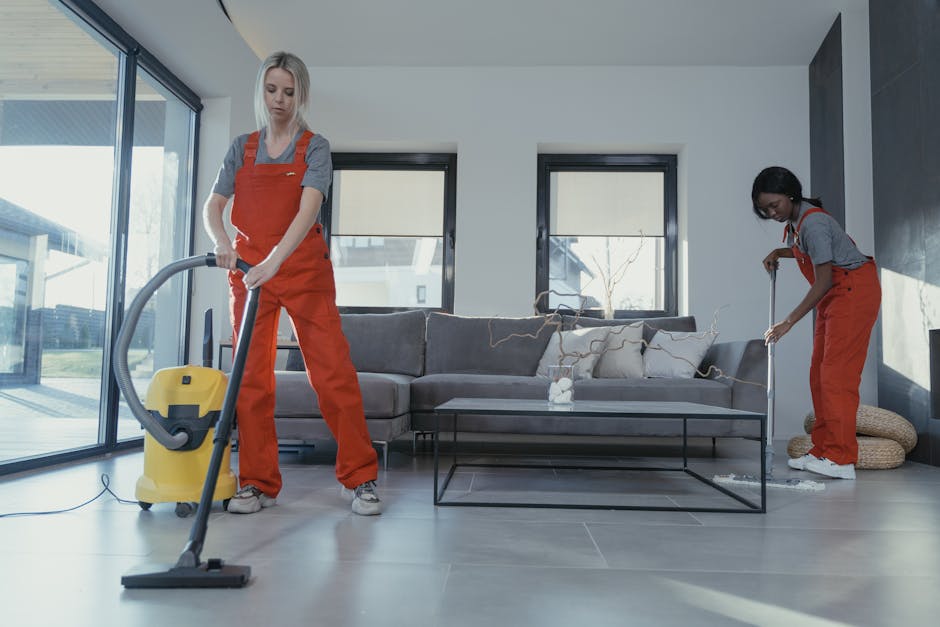
Avoid hidden cleaning charges in Greenwich what to know

If you have ever booked a cleaner and then stared at the final bill wondering where the extra costs came from, you are not alone. Avoid hidden cleaning charges in Greenwich what to know is really about one thing: spotting vague pricing before it turns into a surprise. In a busy area like Greenwich, where homes, flats, student lets, and offices all come with slightly different cleaning needs, a "cheap" quote can look very different once the job is done.
This guide explains how hidden charges usually appear, what to check before you agree to anything, and how to compare quotes without getting caught out. It also covers the practical bits people often miss: access fees, minimum call-outs, supplies, parking, extra room charges, and those awkward little add-ons that only show up at the end. Let's make it simple.
Why Avoid hidden cleaning charges in Greenwich what to know Matters
Hidden cleaning charges matter because most people compare cleaners on price first, then service second. Fair enough. But if the quote does not spell out what is included, you can end up paying more for the same job than you expected. In Greenwich, that can happen in small flats with tight access, older houses with awkward stairs, or office spaces that need cleaning outside normal hours.
The issue is not always dishonesty. Sometimes it is poor quoting. A cleaner may assume a standard layout, average dirt level, and easy access. You may assume "deep clean" means every surface, appliance, and corner. Those two assumptions do not always meet in the middle, and that gap is where extra fees creep in.
It also matters because surprise charges make it hard to budget. If you are moving out, preparing a rental, or trying to keep a home or office tidy on a set schedule, you need to know the final cost before the job starts. Truth be told, that is just sensible planning.
For some readers, the goal is not only avoiding overpaying. It is also finding a cleaning company that communicates clearly, works safely, and stands behind its quote. That tends to save more time and stress than chasing the cheapest headline price.
How Avoid hidden cleaning charges in Greenwich what to know Works
Most hidden charges appear because the initial quote is based on assumptions. The cleaner may quote for a standard domestic job, then later add fees for things they regard as outside scope. Common examples include extra rooms, heavy limescale, pet hair build-up, appliance cleaning, or "deep cleaning" tasks that were never clearly defined.
Sometimes the price changes because the property details were incomplete. A two-bedroom flat with no parking and fourth-floor walk-up access is not the same as a ground-floor flat with an easy entrance. If the company did not ask the right questions, the quote may be too optimistic at the start. Then everyone gets a bit awkward later on.
Good cleaners usually avoid this by asking for specifics: property size, number of bathrooms, condition of the space, whether supplies are included, and whether there are special items such as ovens, carpets, upholstery, or windows. The more exact the brief, the less room there is for surprise add-ons.
For example, someone booking end of tenancy cleaning may expect oven cleaning and limescale removal to be included. Another person may book a general clean and assume those tasks are part of the standard price. Same flat, different assumptions. That is where the hidden charge problem starts.
Sometimes the extra cost is not hidden at all, just buried in the small print. That is why it pays to read the quote alongside the terms and conditions and ask the slightly boring questions now rather than grumbling later. Boring, yes. Effective, absolutely.
Key Benefits and Practical Advantages
The biggest benefit of learning how to avoid hidden charges is simple: you stay in control of the budget. But there are a few more advantages worth calling out.
- Better cost certainty - you know what you will pay before the clean begins.
- Fewer disputes - clear scope reduces arguments at the end of the job.
- Faster booking decisions - you can compare quotes properly, not just on headline price.
- More suitable service matching - you choose the right service instead of overpaying for the wrong one.
- Less stress on the day - nobody wants a pricing conversation while the hallway still smells of detergent and the van is loading up.
There is another quiet benefit too. Good pricing habits often signal a more organised cleaning business. If a company is careful about quoting, it is often careful about scheduling, communication, and follow-up as well. Not always, of course, but often enough to matter.
If you are comparing services like domestic cleaning, deep cleaning, or one-off support, transparent pricing helps you choose the right level of service instead of guessing.
Who This Is For and When It Makes Sense
This advice is useful for almost anyone booking cleaning in Greenwich, but it is especially relevant in a few situations.
- Tenants moving out who need a fixed price for a final clean.
- Landlords and letting agents who want predictable turnaround costs.
- Homeowners booking a seasonal refresh or post-renovation reset.
- Busy families who need recurring help and do not want billing surprises.
- Office managers comparing regular office cleaning with occasional extra tasks.
- People booking specialist work such as carpet cleaning, window cleaning, or oven cleaning.
It also makes sense if you have had a bad experience before. Maybe the quote looked fine, but the cleaner later charged more because the property had "unexpected soilage" or "additional equipment requirements." That sort of wording can be legitimate in some cases, but it should never feel like a trap.
If you run a small office or manage a shared property, you may also want to review a company's wider policies, including payment and security and insurance and safety. They are not the flashy pages, but they tell you a lot about how a business operates.
Step-by-Step Guidance
Here is a practical way to avoid surprise cleaning charges without turning the whole thing into a detective project.
- Describe the job properly. State the property type, number of rooms, bathrooms, access issues, parking concerns, and whether there are pets, heavy dirt, or specialist items.
- Ask what is included. Do not assume the quote covers ovens, inside windows, skirting boards, appliances, or furniture cleaning unless it says so clearly.
- Check the pricing model. Is it fixed price, hourly, or estimated? A fixed quote can be easier to budget, while hourly work can be fine if the scope is uncertain.
- Request add-on prices in advance. If you might need extras such as sofa cleaning or rug cleaning, ask for those figures before booking.
- Read the terms. Look for minimum charges, cancellation fees, access waiting time, and any conditions about severe dirt or biohazards.
- Confirm the arrival plan. Ask how many cleaners are expected, whether they bring supplies, and whether parking or congestion charges could apply.
- Keep written confirmation. A short email or message trail can prevent misunderstandings later. Old-fashioned, yes. Useful? Very.
If the company offers a quote page such as pricing and quotes, use it carefully. A decent quote process should help you define the job more accurately, not just push you into a basket price.
A small tip from experience: if the wording is vague, ask one more question. Just one. Often that is enough to expose whether the price is genuinely clear or quietly flexible in the company's favour.
Expert Tips for Better Results
Some of the best ways to avoid hidden charges are surprisingly low-tech.
Tip 1: Be specific about condition, not just size. A clean two-bed flat is cheaper to service than a two-bed flat with grease in the kitchen, soap scum in the bathroom, and a thick layer of dust on every ledge. Size is only half the story.
Tip 2: Ask for a definition of "deep clean." The phrase sounds obvious, but in practice it can mean very different things. One cleaner may include inside cupboards, another may not. One may include descaling, another may call it an extra task.
Tip 3: Check whether supplies are included. Some companies bring everything. Others may charge more for specialist products or equipment. If you have sensitive surfaces, ask what they plan to use. That avoids a messy conversation later.
Tip 4: Be cautious with "from" prices. They are not automatically misleading, but they often mean the final fee depends on multiple factors. That is fine as long as the factors are clear. If they are not, take your time.
Tip 5: Think about access like a cleaner would. Stairs, long walks from parking, gated entry, key collection, and time windows all matter. A team carrying vacuums and buckets up several flights is doing more work than a simple headline price suggests.
Tip 6: Keep the booking scope narrow if you need certainty. If you only need a specific task, book that task. A focused booking for oven cleaning or upholstery cleaning is easier to price than an open-ended request to "clean the whole place."
And yes, sometimes the answer is simply to walk away from a quote that feels slippery. You do not need a drama. Just choose someone else.
Common Mistakes to Avoid
A lot of pricing problems come from the customer side too. That is not blame; it is just reality.
- Assuming all cleaners define services the same way. They do not. Even common terms like "end of tenancy" or "deep clean" can vary.
- Comparing only the headline figure. A cheap quote may exclude the very things you need most.
- Not mentioning access issues. If parking is difficult or the property is up several floors, say so early.
- Forgetting special items. Carpets, mattresses, curtains, upholstery, ovens, and hard floors can all change the scope.
- Leaving extra work until the day of the clean. Last-minute add-ons are where surprise costs love to hide.
- Skipping the small print. It is not thrilling reading, but it protects you.
One of the most common awkward moments is when a customer says, "I thought that was included." To be fair, they often really did think that. The issue is that the quote was never specific enough. A clearer brief up front would have saved everyone a bit of back-and-forth.
If you need more confidence in the business itself, pages like about us and complaints procedure can give you a better sense of how seriously a company takes service and resolution. Not glamorous, but useful.
Tools, Resources and Recommendations
You do not need fancy software to avoid hidden charges. The best tools are often the simplest ones.
- A written checklist of rooms, items, and extras you want included.
- Phone photos of the property before booking, especially if the condition is uneven.
- A message thread or email record confirming the agreed scope.
- A comparison note where you list what each quote includes, not just the price.
- A quick access note covering entry codes, parking, and any timing restrictions.
For services that are more specialised, it helps to look at the relevant page before you book. For example, carpet cleaning is usually priced differently from general domestic cleaning, and house cleaning may differ from a one-off reset or an after-event tidy.
It is also sensible to check a company's recycling and sustainability approach if that matters to you. Responsible disposal and product use do not stop hidden charges by themselves, but they do show broader service standards.
And if you are unsure where to begin, start with the quote page and the main service page together. That usually gives enough context to ask the right questions without overcomplicating things.
Law, Compliance, Standards, or Best Practice
This topic is mostly about clear commercial practice rather than a single rulebook, but a few principles are worth keeping in mind.
In the UK, pricing information should not be misleading, and a business should not present an offer in a way that hides important conditions. That does not mean every quote must be identical or every edge case must be predicted. It does mean the customer should be able to understand what they are paying for before they agree.
Best practice in cleaning is straightforward:
- describe the service clearly
- state what is included and excluded
- make add-ons visible before booking
- confirm any assumptions in writing
- handle complaints and corrections fairly
Health, safety, and insurance matter too, especially where equipment, chemicals, or access risks are involved. A trustworthy cleaning business should be able to explain how it works safely and what happens if something goes wrong. That is why pages like health and safety policy and insurance and safety are worth reading before you book.
For tenants, landlords, and office managers, the practical standard is simple: if a charge might change, you should know why. If the answer sounds like a shrug, that is your cue to ask again. Politely, of course.
Options, Methods, or Comparison Table
Here is a simple comparison of common pricing approaches and how they affect hidden charges.
| Pricing method | How it works | Risk of hidden charges | Best for |
|---|---|---|---|
| Fixed price quote | One agreed price for a defined scope | Lower, if the scope is written clearly | End of tenancy, deep cleans, clear one-off jobs |
| Hourly rate | You pay for time spent on site | Medium, if the job takes longer than expected | Flexible domestic cleaning, uncertain workloads |
| Base price plus extras | Core fee with optional add-ons | Medium to high, if add-ons are not listed well | Specialist jobs with variable requirements |
| Inspection-based pricing | Final price confirmed after viewing the property | Lower, if the inspection is honest and detailed | Larger homes, offices, post-build cleans |
In practice, fixed pricing works best when the job is well defined. Hourly pricing can be fair too, but only if you are comfortable with some variation. For anything involving tricky access or unusual conditions, an inspection-based quote can save a lot of second-guessing.
If you are booking a more specific task such as one-off cleaning or after builders cleaning, the pricing method matters even more because the scope can shift quickly once the cleaner sees the space.
Case Study or Real-World Example
Imagine a Greenwich tenant moving out of a two-bedroom flat near the river. The initial quote for an end-of-tenancy clean looks decent. The cleaner asks for property size, but no one mentions that the oven has not been cleaned in months, the carpet in the bedroom is marked, and the flat is on the third floor with no lift.
On the day, the team arrives and realises the job will take longer than expected. Now there is a conversation about extras: oven degreasing, stain treatment, and access time. None of that is necessarily unfair. But because it was not discussed up front, the tenant feels blindsided.
Now picture the same booking done properly. The tenant sends a short message: two bedrooms, one bathroom, third floor, no lift, oven included, carpet spots in bedroom, parking restricted. The company gives a revised quote that clearly lists the extras and notes the access conditions. Same job, much calmer process. That is the difference a few accurate details can make.
I have seen this kind of thing unfold in real bookings more than once. Usually it is not dramatic. Just a little confusion, a pause at the doorway, then the awkward pricing talk. Better to prevent it before the van even pulls up.
Practical Checklist
Use this before you confirm any cleaning booking in Greenwich.
- Have I described the property accurately?
- Did I mention parking, stairs, entry codes, or access limitations?
- Do I know exactly what is included in the quote?
- Have I checked whether supplies and equipment are included?
- Do I understand any extras that may cost more?
- Have I confirmed the pricing model: fixed, hourly, or estimate?
- Have I read the terms and conditions?
- Do I have the quote in writing?
- Have I asked about insurance and safety where relevant?
- Have I compared more than one quote on the same basis?
Key takeaway: the cleanest way to avoid hidden charges is not to hunt for the lowest headline price. It is to get a precise quote for a precisely described job. Small difference, big impact.
Conclusion
Hidden cleaning charges usually appear when the job is not defined clearly enough. That is the heart of it. In Greenwich, where properties and access arrangements vary a lot, being specific about what you need is the best protection you have. Once you know what to ask, the whole process becomes much simpler.
So, before you book, take a minute to check the scope, the exclusions, the add-ons, and the written terms. That little bit of care can save you money, time, and the mild irritation of a surprise invoice landing on the doormat. And honestly, who needs that?
If you want a clearer next step, start by comparing the service details and asking for a written quote that matches your exact property and cleaning needs. That is usually where the real savings begin.
Get a free quote today and see how much you can save.
Clear pricing brings a calmer day, and sometimes that is worth more than the discount itself.
Frequently Asked Questions
What are hidden cleaning charges?
They are extra costs that appear after you thought the price was agreed. They often relate to add-ons, access issues, or tasks that were never clearly included in the original quote.
How do I avoid surprise cleaning fees in Greenwich?
Give a full description of the property, ask what is included, request any extras in writing, and read the terms before you book. A detailed quote is the best defence.
Is a fixed quote better than an hourly rate?
Usually, yes, if the job is clearly defined. A fixed price gives more certainty. Hourly pricing can still work, but only when the scope is flexible and both sides understand that the final cost may vary.
Should oven cleaning be included in an end-of-tenancy clean?
Sometimes yes, sometimes no. Never assume. Ask directly whether the oven is included and whether the price covers inside racks, trays, and heavy grease.
Why do cleaning prices change after inspection?
Because the cleaner may find access issues, heavier soiling, or extra tasks that were not obvious from the initial description. A fair adjustment should always be explained clearly.
What should a proper cleaning quote include?
It should show what is covered, what is excluded, whether supplies are included, any likely extras, and the pricing method. The more specific it is, the better.
Can I be charged more for parking or stairs?
Yes, if those costs were disclosed in advance or if they materially affect the job. The key is transparency. If a company expects a surcharge, it should say so before the clean starts.
Are cheap cleaning quotes always risky?
Not always, but very low quotes can hide exclusions. A good bargain is one that still tells you exactly what you are paying for. If the wording feels fuzzy, ask more questions.
What if the cleaner arrives and says the job is bigger than expected?
Ask them to explain why and what the extra work involves. If the change is reasonable, agree it in writing before proceeding. If it feels off, pause and reassess.
Do I need insurance and safety checks for domestic cleaning?
It is wise to ask, especially for larger jobs, specialist services, or anything involving equipment and chemicals. A professional company should be able to explain its safety approach clearly.
How do I compare two cleaning quotes fairly?
Compare the same scope of work, not just the total price. Look at inclusions, exclusions, supplies, access assumptions, and whether the quote is fixed or estimated.
Where can I find more about the company's policies?
Useful pages include terms and conditions, payment and security, and privacy policy. They help you understand how bookings and payments are handled.