Greenwich Cleaner in Greenwich
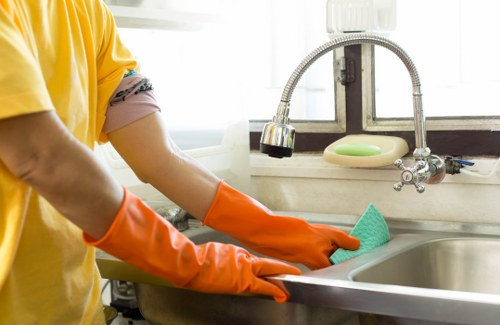
Greenwich Cleaner provides cleaning in Greenwich with a straightforward focus on the everyday jobs that keep homes, flats and smaller business premises presentable, hygienic and manageable. The main service is organised around practical cleaning work rather than broad promises: dusting, wiping, vacuuming, floor care and the kinds of finishing tasks that bring order to lived-in spaces. If you are comparing options, the useful question is not just who can turn up, but who can deliver the right scope with clear expectations and a sensible route to a quotation.
Our work can cover regular domestic cleaning, one-off cleaning and more detailed deep cleaning depending on what the property needs. That means attention to visible surfaces, touch points, kitchens, bathrooms, floors and other areas that collect dirt through normal use. We also support related cleaning tasks such as oven cleaning, carpet cleaning, upholstery cleaning, window cleaning and after builders cleaning, where the job calls for a more specific approach. For a quick starting point, tell us what needs attention and what sort of result you want.
If you are ready to move from comparison to action, the simplest next step is to request a quotation. You can do that once you have a basic idea of the rooms involved, the type of cleaning needed and any areas that need extra care. The cleaner the brief, the easier it is to shape a sensible proposal. Keep reading for the main service groups and the places where a more focused cleaning plan can help.
Domestic cleaning for homes and flats
Domestic cleaning is often the service people look for first because it covers the recurring tasks that keep a property feeling tidy between larger cleans. In a home or flat, that usually means dusting accessible surfaces, wiping kitchen and bathroom fixtures, vacuuming soft floors and addressing everyday grime before it becomes harder to shift. The value lies in consistency: a well-planned visit saves you from repeating the same chores at short notice and helps the property feel settled rather than constantly behind.
We can tailor domestic cleaning to different household routines. Some customers want help with the full property; others prefer support in the rooms that take the most wear, such as the kitchen, bathroom and living areas. Where the layout is compact, it may be more efficient to focus on detailed finishes, while larger properties may benefit from a wider sweep across multiple floors and shared spaces. If you are weighing up what belongs in the first visit, note the rooms that matter most and think about how often each one really needs attention.
Useful domestic cleaning decisions often come down to priority and timing. A short list helps avoid confusion and keeps the visit efficient. Common planning points include:
- which rooms need regular attention and which only need occasional help
- whether bathrooms and kitchens need a stronger focus than bedrooms or hallways
- if floor care should include vacuuming, mopping or both
- whether skirting boards, switches and other touch points need special attention
- if the job is a recurring clean or a one-off reset
Deep cleaning for more detailed results

Deep cleaning is designed for properties that need more than standard maintenance. Instead of focusing only on routine upkeep, it goes further into accumulated dirt, neglected corners and the parts of the home that are easy to overlook during everyday cleaning. That can include careful work around edges, fixtures, fittings, shelves, cupboard fronts and other areas where dust, grease or residue builds up over time. It is a useful choice when a home needs a reset rather than a quick freshen-up.
A deep clean is not the same as regular weekly cleaning, and that distinction matters when setting expectations. The aim is usually a more detailed finish across the property, with extra attention given to spaces that need a proper once-over. Depending on the layout and condition of the rooms, that may include cleaning behind accessible furniture, dealing with build-up around appliances, or working through the bathroom and kitchen in a more methodical way. If you are unsure whether you need deep cleaning or a lighter visit, ask for the scope to be set out clearly before booking.
It helps to think in terms of outcome. Some customers want a home that simply feels cleaner and easier to maintain; others want to tackle areas that have not had the attention they deserve for some time. A careful deep clean can support either aim, provided the brief reflects the actual condition of the rooms. Clear priorities, clear rooms and clear access usually make the result more useful than a vague request for “a proper cleanâ€.
Kitchen and oven cleaning
Kitchens often carry the heaviest day-to-day build-up because they combine food preparation, steam, grease and regular handling of surfaces. Kitchen cleaning therefore needs a methodical approach that reaches beyond a quick wipe of the obvious areas. Work may include worktops, cupboard fronts, sinks, splash zones, appliance exteriors and the details that help the room feel sanitary and ready to use. Where there is more stubborn residue, a slower and more careful process is usually more effective than a rushed pass.
Oven cleaning is a useful separate task when the appliance itself needs concentrated attention. Grease and baked-on deposits are not the same as general kitchen dust, so it helps to treat the oven as its own item rather than assuming it will be covered fully by a routine clean. The exact scope may vary from a standard single oven to a more involved task where racks, trays, panels and internal surfaces all need attention. If you want the kitchen work to include the oven, it is better to state that clearly when asking for pricing.
For a kitchen or oven job, the main considerations are access, condition and the finish you expect. A room that is heavily used may benefit from a deeper clean around handles, hob areas and external surfaces, while a lighter job may only need a tidy maintenance pass. Good planning helps avoid surprises and makes the service easier to price. Ask for the kitchen and oven to be set out separately if both need work, especially when one part of the job is more intensive than the other.
Carpet, rug and upholstery care
Soft furnishings need a different approach from hard surfaces because fibres hold dust, marks and odours in a way that does not respond well to standard wiping. Carpet cleaning can help with visible staining, dulled appearance and the general wear that comes from regular foot traffic. Rug cleaning needs similar care but may vary according to size, weave and fibre type, while upholstery cleaning is shaped by the fabric, the fill and the way the item is used every day. The point is not just to clean, but to clean in a way that respects the material.
When these items are included in a quotation, it helps to identify what needs treatment and how many pieces are involved. A single sofa is not the same as several upholstered chairs, and a hallway carpet is a different task from a large fitted room with heavy use. The same applies to rugs: some are decorative and light, others are substantial items with delicate fibres that need a more careful treatment plan. Being clear about the item, fabric and general condition helps keep the quote useful rather than approximate.
These services are often chosen because they address a specific problem rather than a full-property clean. A freshened carpet or cleaner sofa can make a room feel improved without requiring every surface to be reworked. Where marks are old or the fabric is sensitive, expectations should be realistic and based on the material rather than on a general promise of perfection. Material type matters, and that is especially true with soft furnishings that have different cleaning limits.
Window cleaning and facade cleaning

Window cleaning is a practical way to improve the appearance of a property because clean glass, frames and surrounding ledges change how light enters a room and how tidy the exterior feels. For homes and smaller premises, it often includes accessible panes and the visible frames that collect dust, drizzle marks and everyday dirt. The exact job can range from a light exterior clean to a more detailed internal and external service depending on the property and the access available.
Facade cleaning goes a step further and is more about the outer face of the building than a single window or room. It may involve removing general dirt, weather staining or surface grime from visible exterior areas, again within the limits of the material and access. Not every building needs the same treatment, and the sensible approach is to match the method to the surface. A brick, rendered or glazed exterior will not respond in the same way, so a clear description of the property is helpful when seeking a quote.
It is sensible to consider whether the job is for routine presentation or for a more thorough restoration of the exterior look. In many cases, a measured clean that protects the surface is better than an aggressive one that risks damage. If you are planning to include windows with a wider external clean, make the scope clear at the outset so the pricing reflects the actual mix of tasks rather than a generic exterior request.
After builders and one-off cleaning
After builders cleaning is designed for the mess left behind when tradespeople have finished work and the property still needs attention before it feels usable again. Fine dust is the main issue in many post-refurbishment jobs, and it can settle on floors, ledges, sockets, frames and other surfaces where it is not obvious at first glance. The cleaning must be careful and systematic because dust can reappear if it is moved around without being properly collected.
One-off cleaning is a broader option for properties that need a single intensive visit rather than a regular schedule. It can overlap with move-in preparation, seasonal refreshes or periods when the normal routine has slipped. The service is useful where a home needs a reset but does not yet justify a standing arrangement. In practical terms, the value lies in getting the property to a more orderly state with a clear finish that is easier to maintain afterwards.
When you ask about either of these services, it helps to mention the condition of the property and whether dust, residue or general clutter is part of the job. A post-build clean may need more time around skirting, fittings and hard-to-reach surfaces, while a one-off clean may be concentrated on the rooms that feel most out of hand. The more specific the scope, the more accurate the quotation tends to be. That is especially true if the property contains both light and heavy cleaning tasks.
How to request a quotation
A useful quotation starts with a simple, factual description of the work. You do not need to write a long brief, but it does help to say what type of property needs cleaning, which rooms or items are involved and whether the job is regular or one-off. If certain areas need more attention, note those too. That gives room for a sensible estimate and helps avoid unnecessary back-and-forth before the work can be arranged.
For best results, it is also worth mentioning anything that changes the cleaning method. For example, delicate surfaces, heavy staining, post-building dust or a mix of soft furnishings and hard floors all affect how a job should be approached. When you are comparing services, think about whether you are asking for a full reset, a maintenance visit or a focused task such as oven or carpet cleaning. Choosing the right scope at the start usually saves time later, and it makes the quotation more meaningful.
If you are ready, use the contact page and ask for a quotation that matches the rooms, items or cleaning tasks you actually need. You can also mention any preferred timing or access notes so the service can be discussed properly. Request a quotation in plain terms and keep the request short if you prefer; a clear message is usually enough to begin.
Practical ways to prepare the job

Preparation does not have to be complicated, but a few sensible steps can make a cleaning visit more effective. Clear access to the rooms involved, remove items that need not be touched and mention any areas that are fragile or awkward to reach. This is particularly useful for homes with a mix of surfaces or for jobs that include appliances, soft furnishings or detailed corner work. A little organisation up front can improve the use of the time available.
It is also useful to identify any priority points before the visit begins. A kitchen may need special focus because of grease and food contact; a bathroom may need attention to fittings and tiles; a carpeted room may need more time than a hard floor area. These are the kinds of differences that shape the cleaning plan. If the job includes more than one service, such as domestic cleaning and upholstery cleaning, it is better to list them together rather than assume they will all be treated in the same way.
Where the property has several distinct cleaning needs, a short written summary is enough. Include the main service required, the property type and any important notes about condition or access. That keeps the conversation efficient and helps the quotation reflect the real workload rather than a generic assumption.
About Greenwich
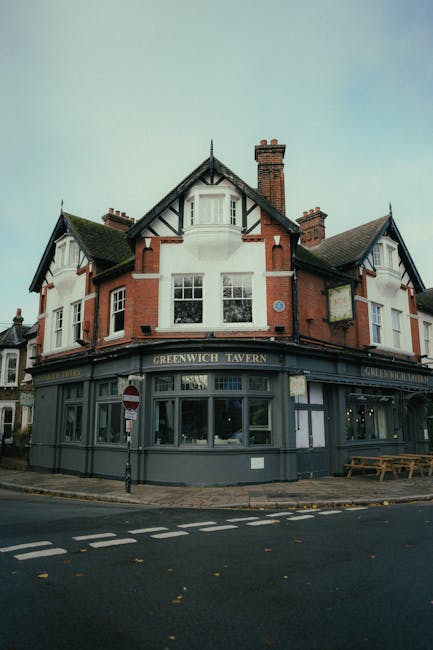
Greenwich is a district in south-east London with a long association with the River Thames, maritime history and planned urban development. The Old Royal Naval College, designed in part by Sir Christopher Wren, is one of its best-known architectural landmarks and forms a striking riverside ensemble with wide formal spaces and views across the water. Nearby, the National Maritime Museum, Queen’s House and the Cutty Sark continue the area’s strong connection with navigation, exploration and the historical role of the river in London’s growth. Greenwich Park, one of the Royal Parks, rises above the riverside and offers long-established landscaped grounds, tree-lined routes and the celebrated hilltop viewpoint by the Royal Observatory. The observatory itself is closely associated with the Prime Meridian and the development of timekeeping, making the district important not only historically but also scientifically. Away from the most famous monuments, the area includes a mix of residential streets, market activity and waterside paths that give it a varied and settled character. Greenwich Market has long been part of the local fabric, while the nearby pedestrian routes and transport links create a place where heritage and everyday life meet. The district’s riverside setting, historic buildings and open parkland give it a distinctive profile within London, and that combination of architecture, landscape and culture remains central to how the area is understood today.
Office cleaning and regular commercial upkeep
Office cleaning focuses on keeping workspaces orderly, presentable and fit for daily use. That may include desks, communal areas, washrooms, floors, touch points and shared surfaces that accumulate dust and marks through normal occupation. The most useful office clean is one that supports the way people actually use the building, rather than applying a domestic pattern to a workplace. A reception area, meeting room or kitchen space often needs a different balance of attention from a storage room or private office.
For businesses, regular cleaning is often about consistency as much as appearance. A steady routine helps maintain the professional look of the space while reducing the build-up that can make later cleaning more involved. Some premises need a lighter recurring service, while others require a fuller clean because of visitor traffic or shared equipment. It is helpful to be specific about the areas used most often so the proposed service can match the building rather than a generic office template. Shared kitchens, washrooms and entry points are often good places to start.
We can also discuss how office cleaning sits alongside other services such as window cleaning or deep cleaning when a workplace needs a more complete reset. If you are managing a smaller office, a clearer brief about frequency and priorities usually works best. For larger premises, the work is easier to shape when the most active areas are identified first. That way, the cleaning plan can focus on the parts that matter most to staff and visitors.
Further choices for a cleaner property

Some customers need a single service, while others benefit from combining a few related tasks into one clearer plan. A property that needs domestic cleaning may also need a carpet refresh, or a home that has recently been improved may need after builders cleaning first and then a regular routine later. The useful question is always the same: which tasks are part of the immediate job, and which are better left for a second stage? That approach keeps the scope realistic and the result more consistent.
Other supported services can be added where they genuinely fit the property. Hard floor cleaning is useful where surfaces need more than a quick mop, while house cleaning and home cleaners are convenient ways to describe broader domestic support for lived-in spaces. End of tenancy cleaning is a separate option when a property needs to be prepared between occupiers, and it usually calls for a more complete finish than ordinary maintenance. If a room contains soft furnishings, upholstery cleaning can sit alongside the main clean so the whole space is addressed in a joined-up way.
As a final step, think about the type of result you want and ask for the quotation in those terms. Some jobs are best described by room, some by item and some by condition. If you want to keep things simple, a short note is enough: what needs cleaning, how often and how soon you would like to discuss it. Tell us what the property needs, and we can help shape the right quotation.